Learning Cantonese, again
New Cantonese Words I Learned Today! 🇭🇰✨
Hey everyone! As someone diving into Cantonese (especially the Hong Kong flavor), I picked up some cool new words and phrases today. Cantonese is full of vivid expressions that often draw from everyday life or old tech – it's like a time capsule in language form! I'll break them down with pronunciations (using Jyutping for ease), explanations, emojis for fun, and some real-life examples to make them stick. Let's get into it! 📚
1. Housing Estate: 屋邨 (uk1 cyun1) 🏘️
- Explanation: In Hong Kong, a "housing estate" refers to those massive public or private residential complexes with high-rise blocks, shops, and community facilities. It's not just any neighborhood – think of it as a mini-city within the city! This term is super common because HK's skyline is packed with these.
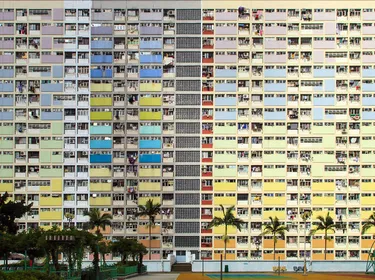
- Why it's interesting: It highlights HK's unique urban planning, where space is at a premium, so everything's stacked vertically.
- Examples:
- "我住喺一個大屋邨度。" (Ngo5 zyu6 hai2 jat1 go3 daai6 uk1 cyun1 dou6.) – "I live in a big housing estate."
- If you're chatting about daily life: "屋邨入面有好多街市同公園。" (Uk1 cyun1 jap6 min6 jau5 hou2 do1 gaai1 si5 tung4 gung1 jyun4.) – "The housing estate has lots of markets and parks inside." Perfect for describing places like Tsing Yi or Sha Tin estates! 🌆
2. Rewinding a Tape: 回帶 (wui4 daai2) 🔄📼
- Explanation: Literally means "rewinding a tape" (like on an old cassette or VHS player), but Hongkongers use it idiomatically to describe rehashing a topic that's been discussed to death. It's a fun nod to pre-digital era tech – no more fast-forwarding through boring convos!
- Why it's interesting: It shows how Cantonese slang evolves from outdated gadgets into metaphors for social situations. If something's "回帶," it's like hitting replay on a broken record. 🎙️
- Examples:
- "呢個話題又回帶啦!" (Ni1 go3 waa6 tai4 jau6 wui4 daai2 laa1!) – "This topic is rewinding again!" (Said when friends keep bringing up the same old drama.)
- In a meeting: "唔好回帶舊事,得唔得?" (M4 hou2 wui4 daai2 gau6 si6, dak1 m4 dak1?) – "Don't rewind old stuff, okay?" Great for avoiding endless debates about politics or celebrity gossip! 😅, 舊年 means last year... do you remember?
3. Discussion: 討論 (tou2 leon6) 💬🗣️
- Explanation: Straightforward – it means "discussion" or "debate." In Cantonese, it's used in formal or casual settings, like chatting about news, plans, or even arguments. It's a building block for deeper convos!
- Why it's interesting: While it sounds basic, in HK culture, discussions can get heated and passionate, especially over dim sum or in online forums.
- Examples:
- "我哋嚟討論下計劃啦。" (Ngo5 dei6 lei4 tou2 leon6 haa5 gai3 waak6 laa1.) – "Let's discuss the plan."
- At work: "呢個問題需要詳細討論。" (Ni1 go3 man6 tai4 seoi1 jiu3 zoi3 sai3 tou2 leon6.) – "This issue needs a detailed discussion." Imagine using it in a group chat about where to eat – "討論邊度食飯?" (Tou2 leon6 bin1 dou6 sik6 faan6?) 🍲
4. Event/Incident: 事件 (si6 gin2) 🚨📅
- Explanation: This translates to "event," "incident," or "accident" – basically, something that happened, whether planned (like a party) or unexpected (like a mishap). It can range from neutral to dramatic, often used in news or storytelling.
- Why it's interesting: In HK media, you'll hear it a lot in headlines, like for traffic accidents or political happenings. It's versatile and pops up in everyday chit-chat too.
- Examples:
- "呢個事件好嚴重。" (Ni1 go3 si6 gin2 hou2 jim4 zung6.) – "This incident is very serious." (Referring to a news story about a storm.)
- Casual use: "上個星期嘅事件好搞笑!" (Soeng5 go3 sing1 kei4 ge3 si6 gin2 hou2 gaau2 siu3!) – "Last week's event was hilarious!" Or for an accident: "交通事件導致塞車。" (Gaau1 tung1 si6 gin2 dou6 zi3 coi4 sak1 ce1.) – "The traffic incident caused a jam." Think of it for describing anything from a funny spill to a major headline! 😲
5. Running from a Debt: 走數 (zau2 sou3) 💸🏃♂️
- Explanation: "Zau2" means "run" or "escape," and "sou3" refers to "numbers" or "accounts" (like bills). Together, it slangily means dodging a debt, skipping out on payment, or ghosting financial responsibilities. It's a cheeky way to call out someone unreliable with money!
- Why it's interesting: HK slang often mixes humor with criticism, and this one's perfect for that. It's common in movies or talks about shady business deals.
- Examples:
- "佢走數走得好快!" (Keoi5 zau2 sou3 zau2 dak1 hou2 faai3!) – "He ran from the debt really fast!" (About a friend who borrows money and vanishes.)
- In a story: "公司走數,員工好慘。" (Gung1 si1 zau2 sou3, jyun4 gung1 hou2 caam2.) – "The company skipped payments, the employees are suffering." Use it jokingly: "唔好走數呀,畀返錢我!" (M4 hou2 zau2 sou3 aa3, bei2 faan1 cin4 ngo5!) – "Don't run from the debt, give me back the money!" 😂
6. Perspective/POV: 觀點角度 (gun1 dim2 gok3 dou6) 👀📐
- Explanation: This four-character phrase combines "觀點" (gun1 dim2, meaning viewpoint or opinion) and "角度" (gok3 dou6, meaning angle or degree). Together, it refers to "perspective" or "point of view" (POV), like looking at something from a specific angle or standpoint. It's often used in discussions to emphasize different ways of seeing an issue.
- Why it's interesting: Hong Kong Cantonese loves these compound four-character expressions (similar to chengyu in Mandarin), which pack a lot of meaning into a concise phrase. You pick them up naturally by listening to people chat – they're everywhere in debates, media, or even casual arguments! It reflects how HK folks value multifaceted thinking in a fast-paced city.
- Examples:
- "從唔同觀點角度嚟睇呢件事。" (Cung4 m4 tung4 gun1 dim2 gok3 dou6 lei4 tai2 ni1 go3 gin6.) – "Look at this matter from different perspectives."
- In a conversation: "你嘅觀點角度好獨特!" (Nei5 ge3 gun1 dim2 gok3 dou6 hou2 duk6 dak6!) – "Your POV is really unique!" Great for film reviews, politics, or even relationship advice: "試下換個觀點角度啦。" (Si3 haa5 wun6 go3 gun1 dim2 gok3 dou6 laa1.) – "Try switching to another perspective." 🤔
7. Statement: 說法 (syut3 faat3) 💭🗨️
- Explanation: This means "statement" or "way of saying," often referring to an opinion, argument, or explanation in a debate or discussion. It's like presenting your take on something clearly and logically.
- Why it's interesting: In HK's argumentative culture (think lively family dinners or online forums), this word pops up a lot to frame ideas during debates. It shows how Cantonese emphasizes precision in expressing views, making conversations more structured and engaging.
- Examples:
- "你嘅說法好有道理。" (Nei5 ge3 syut3 faat3 hou2 jau5 dou6 lei5.) – "Your statement makes a lot of sense." (Used in a debate about current events.)
- In an argument: "呢個說法唔正確。" (Ni1 go3 syut3 faat3 m4 zing3 kok3.) – "This way of saying it isn't correct." Perfect for political talks or reviewing movies: "導演嘅說法好創新!" (Dou6 jin2 ge3 syut3 faat3 hou2 cou3 san1!) – "The director's statement is really innovative!" 🏆
8. To Subscribe: 訂閱 (ding6 jyut6) 📬▶️
- Explanation: This means "to subscribe," like signing up for a newspaper, magazine, YouTube channel, or any service that delivers regular content. It's straightforward but essential in the digital age for following updates.
- Why it's interesting: With HK's heavy reliance on media and online platforms, this term bridges old-school (print subscriptions) and modern (streaming or social media) habits. It's a daily word in a city obsessed with staying informed and entertained!
- Examples:
- "我訂閱咗你嘅頻道。" (Ngo5 ding6 jyut6 zo2 nei5 ge3 pan4 dou6.) – "I subscribed to your channel." (On YouTube or a podcast.)
- For traditional media: "訂閱份報紙啦。" (Ding6 jyut6 fan6 bou3 zi2 laa1.) – "Subscribe to a newspaper." Or in apps: "記住訂閱更新!" (Gei3 zyu6 ding6 jyut6 gang2 san1!) – "Remember to subscribe for updates!" Ideal for recommending channels or newsletters. 📺
9. To Support/Praise: 贊 (zaan3) 👍🙌
- Explanation: This means "to praise," "support," or "approve," often used when asking for or giving endorsement, like liking something or providing backing. It's short and versatile, sometimes implying sponsorship or thumbs-up.
- Why it's interesting: In HK slang, it's casual and direct, often heard in social media or casual requests for help. It captures the community's spirit of mutual support, blending admiration with a call to action – super common in influencer culture!
- Examples:
- "畀個贊我啦!" (Bei2 go3 zaan3 ngo5 laa1!) – "Give me a like/support!" (Asking for a thumbs-up on a post.)
- In encouragement: "我好贊你嘅想法。" (Ngo5 hou2 zaan3 nei5 ge3 soeng2 faat3.) – "I really support your idea." Or for sponsorship: "公司贊助呢個活動。" (Gung1 si1 zaan3 zo6 ni1 go3 wut6 dung6.) – "The company is sponsoring this event." Great for online interactions or cheering friends on! 🎉
Learning Cantonese is such a blast – these words make conversations feel more authentic and fun. If you've got any favorites or corrections (I'm still a newbie!), drop them in the comments. What's your go-to HK slang? Let's keep the discussion (討論) going! 🔥 What's next on my list? Maybe some food-related terms... Stay tuned! 🍜